

Pero en el fondo, casi siempre estamos intentando responder la misma pregunta: cómo queremos vivir.
Una forma de pensar.
Pasamos gran parte de nuestra vida dentro de espacios construidos por otras personas. Espacios que condicionan cómo pensamos, cómo trabajamos, cómo descansamos, cómo nos vinculamos y hasta cómo recordamos.
Y sin embargo, pocas disciplinas tienen tanta influencia sobre la experiencia humana cotidiana y tan poca conciencia sobre esa responsabilidad.
Con el tiempo entendimos que la arquitectura no era solamente una disciplina. Era una forma de pensar. Una manera de observar relaciones entre personas, materia, tecnología, tiempo y espacio.
Por eso el estudio nunca se limitó únicamente al desarrollo de edificios. A lo largo de los años trabajamos en proyectos de arquitectura, interiorismo, instalaciones, pabellones, experiencias espaciales, objetos y sistemas de diseño en distintas escalas.
No porque nos interese dispersarnos. Sino porque muchos problemas contemporáneos ya no pertenecen a una única disciplina. Y probablemente una de las tareas más importantes del diseño actual consista justamente en conectar mundos que antes trabajaban separados.
La arquitectura empieza cuando alguien decide compartir cómo quiere vivir.
Antes de proyectar, escuchamos. Parece obvio. No lo es.
Escuchar no significa esperar el turno para hablar. Significa suspender temporalmente las propias certezas. Significa abrirse a lo que alguien está intentando construir alrededor de su vida —aunque esa persona no siempre sepa explicarlo.
Hay clientes que llegan con ideas claras. Otros con intuiciones que no encuentran palabras. Y muchas veces, el verdadero proyecto todavía no existe cuando aparece la primera reunión. Existe apenas una sensación. Una necesidad. Una expectativa. Una búsqueda.
Gran parte de nuestro trabajo consiste justamente en interpretar todo eso. Por eso las primeras reuniones son largas, abiertas y profundamente conversacionales. Nos interesa hablar de hábitos, tiempos, presupuestos, expectativas, contradicciones, referencias y formas de vivir.
La arquitectura no empieza cuando aparece un plano. Empieza cuando alguien decide compartir cómo quiere vivir.
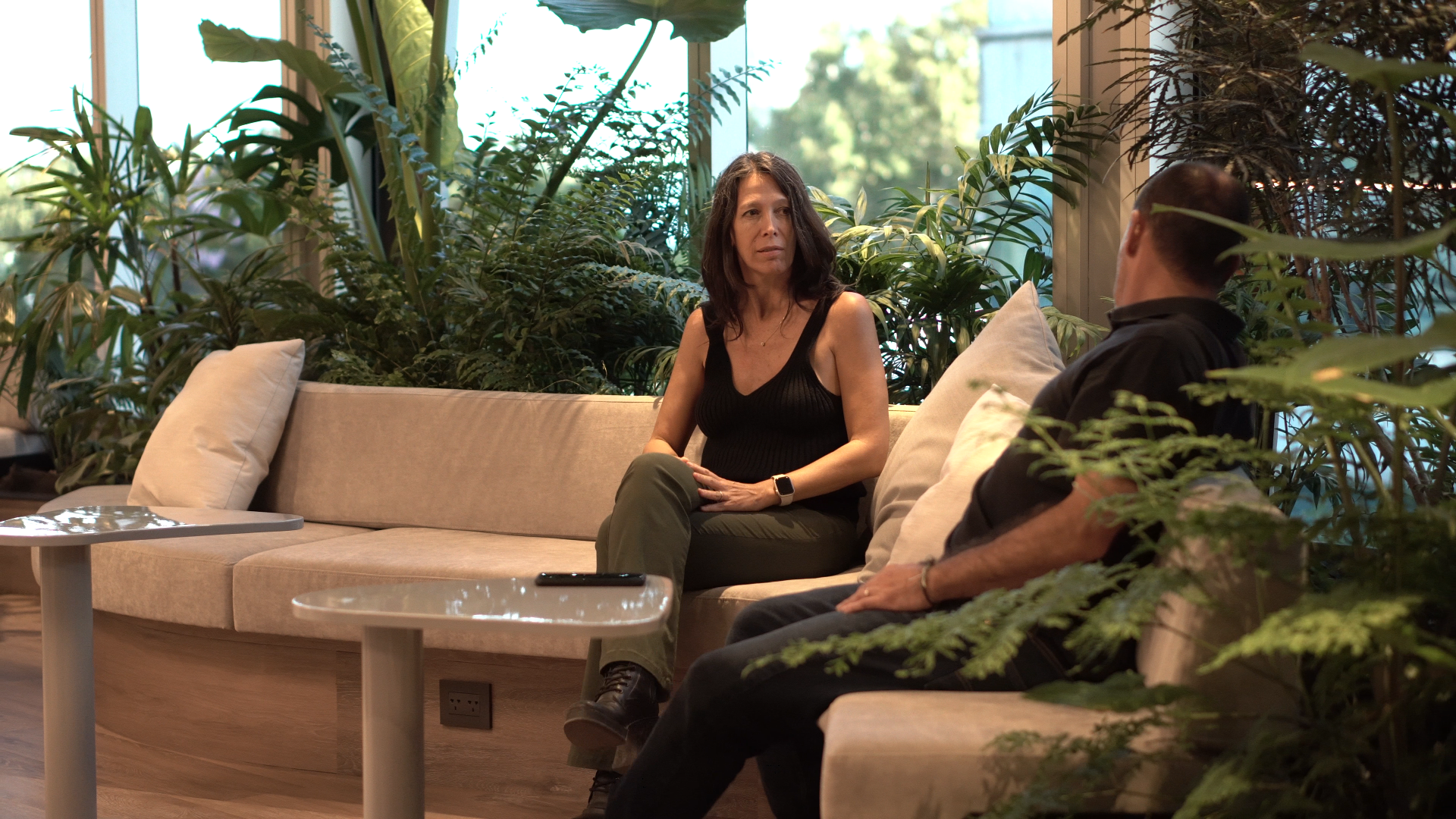
Muchas veces el mejor proyecto no se parece demasiado a la primera idea imaginada.
Vivimos en una época obsesionada con producir respuestas rápidas. Nos interesa exactamente lo contrario. Nos interesa hacer las preguntas correctas.
Luego de las primeras reuniones, el estudio desarrolla documentos de trabajo donde se organizan objetivos, restricciones, prioridades, tiempos, variables económicas y posibilidades técnicas. Pero no entendemos esto como una burocracia previa al diseño.
Lo entendemos como una forma de darle claridad a algo que todavía es parcialmente abstracto. Traducir intuiciones en estructura.
Porque muchas veces el verdadero problema no es el que aparece al principio. Y muchas veces el mejor proyecto no se parece demasiado a la primera idea imaginada.
La arquitectura aparece cuando distintas variables complejas empiezan a encontrar coherencia entre sí.
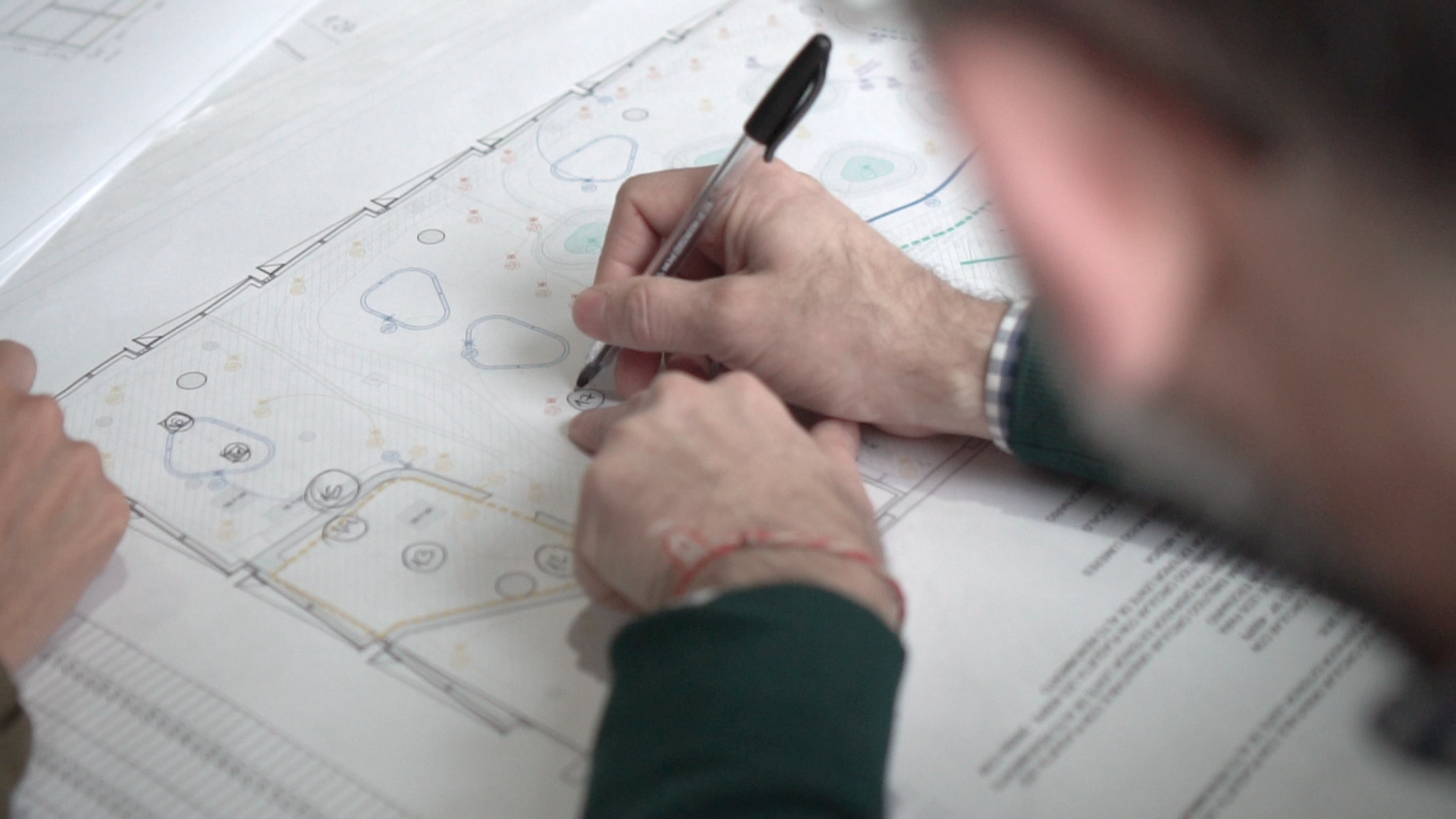
Los proyectos más interesantes suelen aparecer lentamente. Como si fueran revelándose a sí mismos.
Las primeras ideas rara vez son precisas. Al principio todo es más parecido al barro. Materia flexible. Inestable. Ambigua. Podría convertirse en muchas cosas distintas.
Trabajamos con referencias, materiales, imágenes, bocetos y atmósferas antes de que aparezca una forma definitiva. Los moodboards funcionan como territorios abiertos de exploración. Lugares donde todavía todo puede transformarse.
Nos interesa preservar ese estado el mayor tiempo posible. Porque ahí aparece algo muy valioso: la posibilidad de descubrir soluciones inesperadas.
Los proyectos más interesantes suelen aparecer lentamente. Como si fueran revelándose a sí mismos.
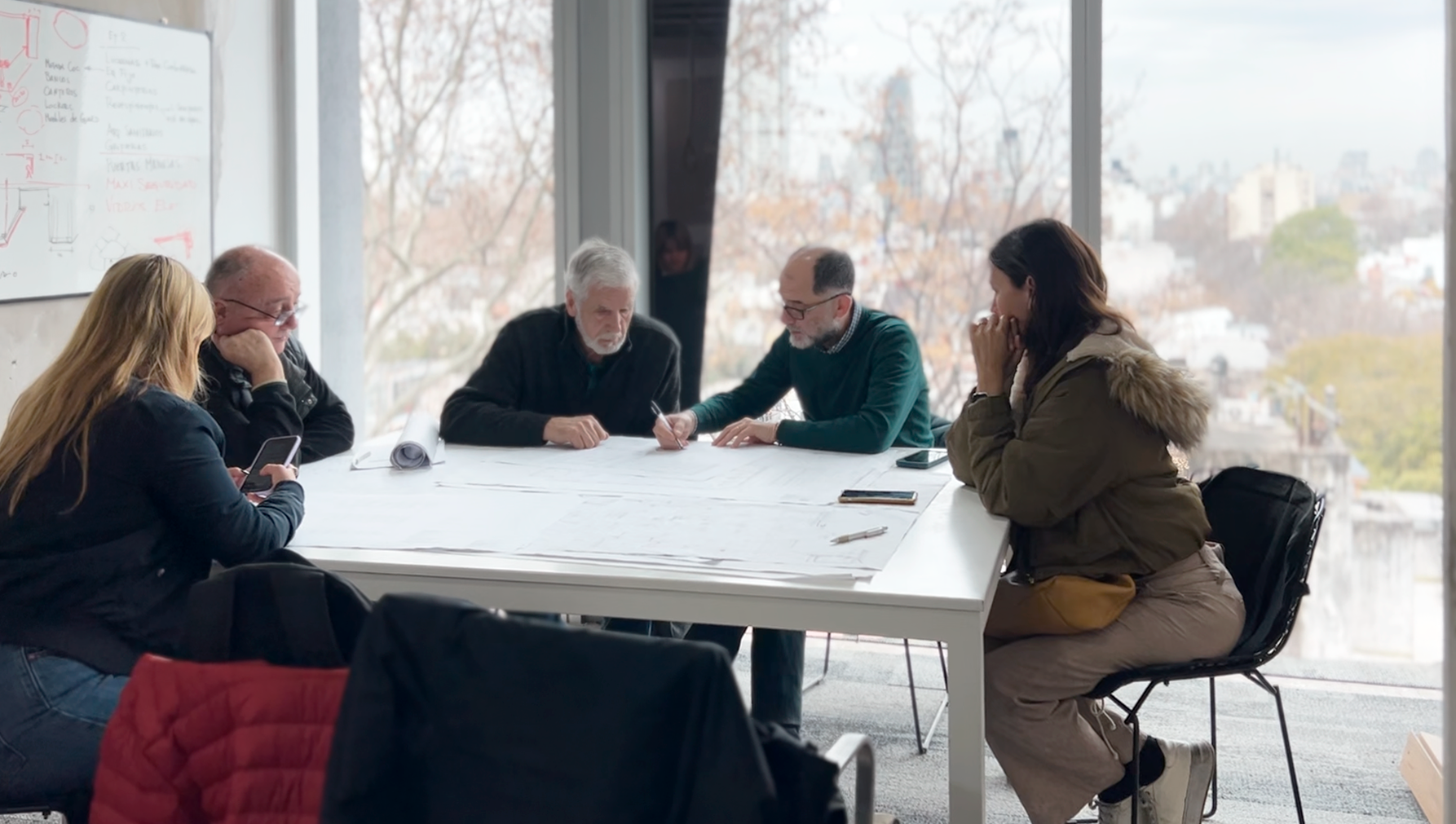
Demasiada información. Muy poca sensibilidad.
Parte de nuestra formación ocurrió también fuera de la arquitectura. Durante más de treinta años, el estudio ha trabajado en dirección de arte, branding, diseño digital, motion graphics, animación y desarrollo de software. Esas experiencias modificaron profundamente nuestra manera de pensar el espacio.
La dirección de arte enseña composición visual. El diseño digital enseña pensamiento sistémico e interacción. La experiencia en motion graphics revela cómo el tiempo y el ritmo afectan la percepción. El desarrollo de software enseña cómo diseñar para sistemas, no para objetos aislados.
Con el tiempo descubrimos que muchas herramientas provenientes de otras disciplinas podían enriquecer profundamente el proceso proyectual. La arquitectura empezó a entenderse no solamente como construcción, sino como narrativa, percepción y experiencia.
Hoy muchos espacios están técnicamente bien resueltos y aun así no transmiten absolutamente nada. Ese probablemente sea uno de los grandes problemas de cierta producción contemporánea. Nos interesa desarrollar proyectos que no solamente funcionen. Nos interesa que produzcan una experiencia humana real.
Para conocer más sobre el estudio y nuestro proceso,
contactanos.
Recorrer un espacio antes de construirlo cambia completamente la conversación.
Desde hace más de una década, trabajamos con maquetas virtuales como parte activa del proceso de diseño. No solamente para documentar ideas terminadas, sino para tomar decisiones durante el desarrollo mismo del proyecto.
La escala deja de ser abstracta. La luz deja de ser imaginada. Y muchas decisiones que antes aparecían recién en obra pueden entenderse mucho antes.
Utilizamos modelos interactivos, simulaciones de iluminación, estudios de asoleamiento y gemelos digitales para explorar espacios antes de su construcción. Pero la tecnología nunca nos interesó como espectáculo.
Lo importante es que estas herramientas permiten comprender mejor los proyectos, reducir incertidumbre y mejorar la comunicación entre todos los actores: clientes, arquitectos, especialistas y constructores.
La representación deja de ser solamente una imagen final. Empieza a formar parte del pensamiento proyectual.
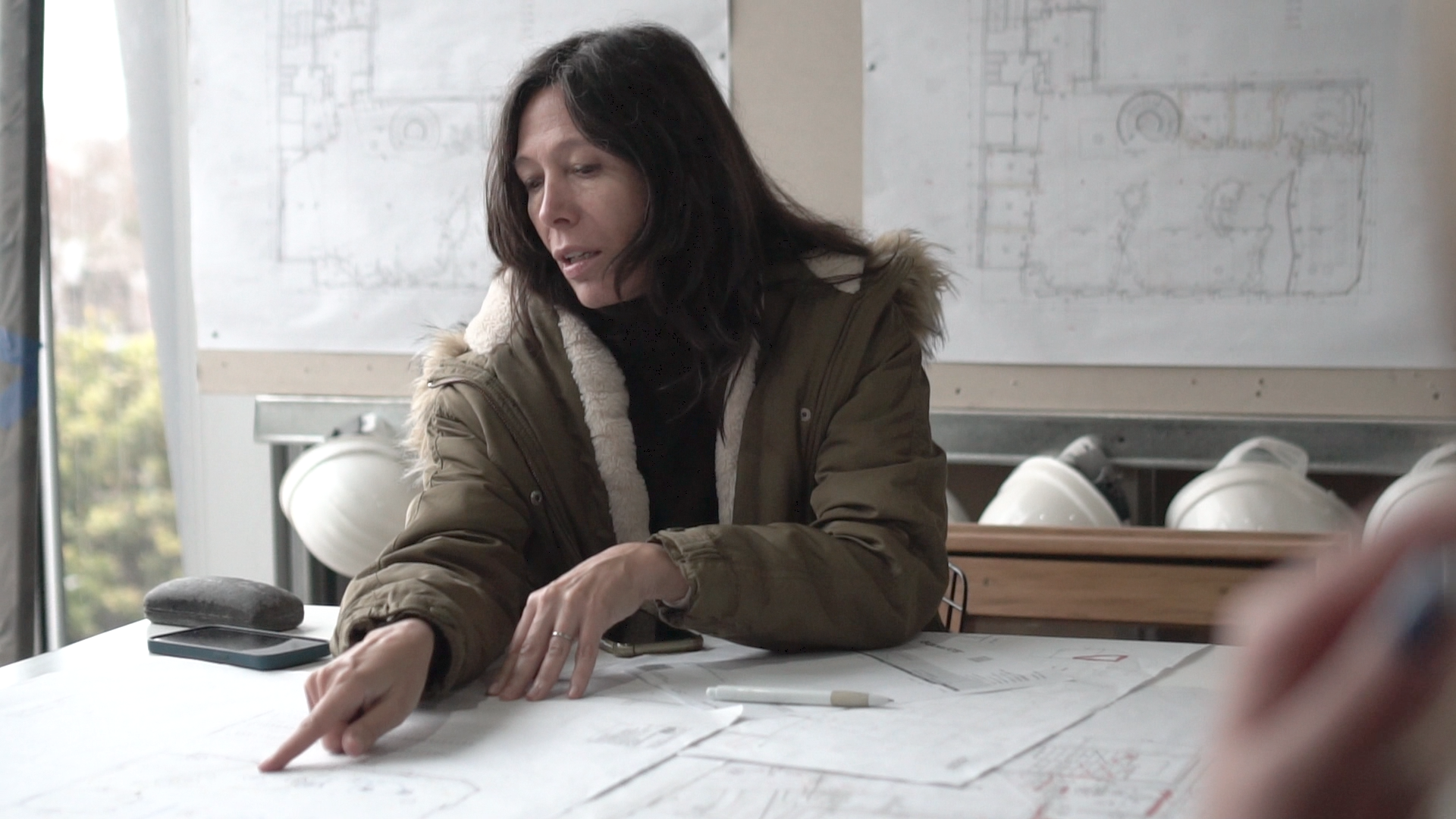
La mejor técnica muchas veces es la que pasa desapercibida.
La sensibilidad sin precisión suele terminar en frustración. Y la precisión sin sensibilidad suele terminar en espacios vacíos. Nos interesa trabajar exactamente en el cruce entre esos dos mundos.
Cada proyecto atraviesa múltiples áreas técnicas antes de consolidarse. Trabajamos junto a especialistas en estructuras, termomecánica, instalaciones sanitarias, normativa urbana, electricidad e infraestructura tecnológica.
Diseñar en Latinoamérica implica trabajar dentro de contextos variables, cambiantes e impredecibles. Por eso desarrollamos metodologías de planificación y previsibilidad que permiten proyectar escenarios económicos y constructivos con precisión mayor al 95%, incluso en contextos de alta variabilidad.
La arquitectura no se entiende como una imagen aislada. Se entiende como la coordinación precisa de sistemas complejos funcionando simultáneamente. Debería sentirse natural. Clara. Humana.
Nos interesa cómo se siente un espacio antes que cómo se publica.
Vivimos rodeados de objetos pensados para durar cada vez menos. Espacios descartables. Materiales efímeros. Arquitecturas diseñadas más para fotografiarse que para ser habitadas.
Nos interesa exactamente lo contrario. Creemos en materiales honestos. En proyectos capaces de permanecer. En espacios que puedan seguir teniendo sentido con el paso del tiempo.
La luz natural, la textura, el sonido, la ventilación, el paisaje y la percepción cotidiana forman parte central del proceso de diseño.
Nos interesa cómo se siente un espacio antes que cómo se publica. Porque la arquitectura ocurre principalmente cuando nadie la está mirando. Ocurre en la vida cotidiana.
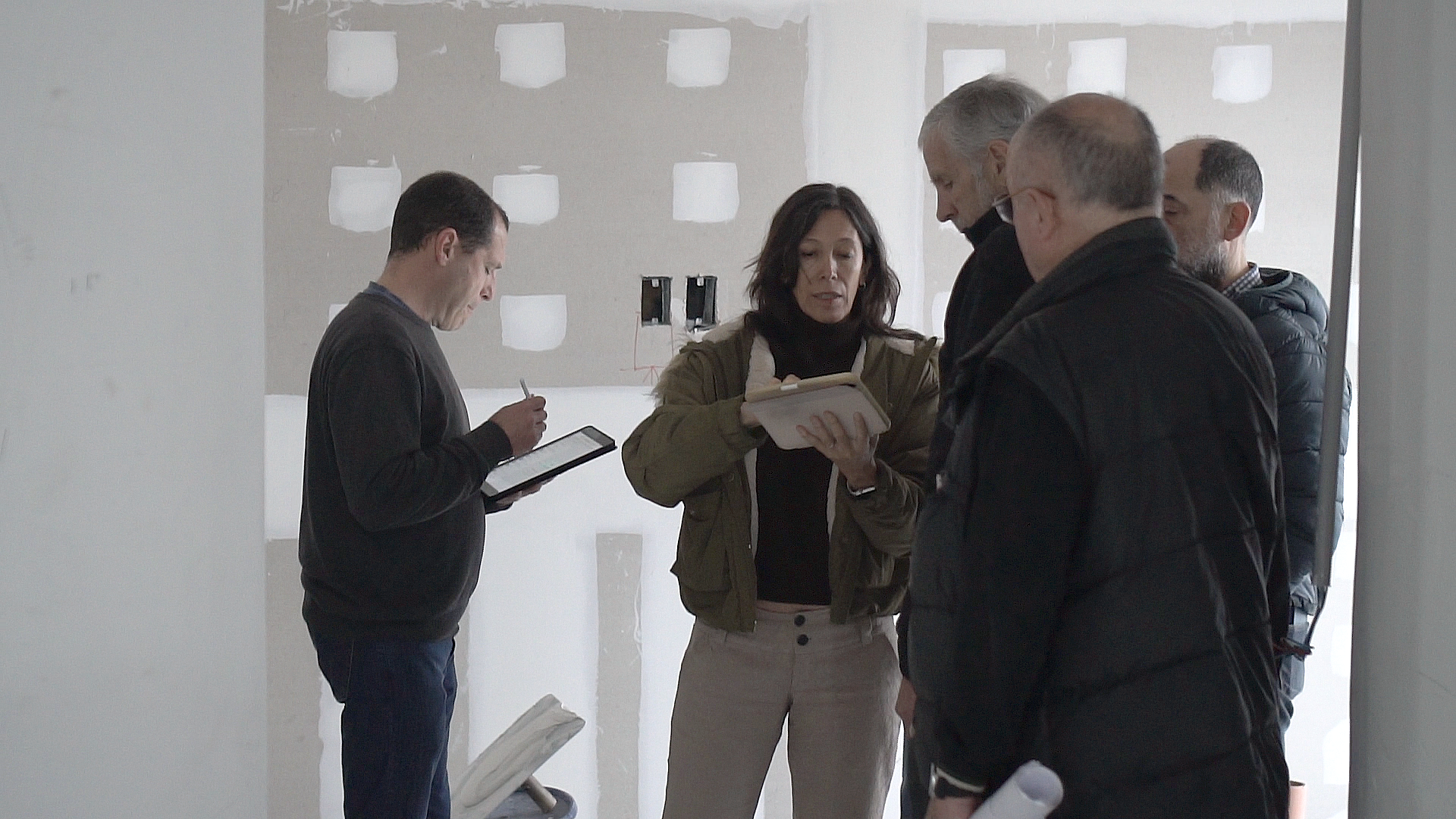
La experiencia probablemente sea uno de los materiales más importantes de cualquier proyecto.
Nunca nos interesó la idea de trabajar desde fórmulas fijas. Cada contexto cambia. Cada escala cambia. Cada tecnología cambia. Cada persona cambia.
La arquitectura está profundamente vinculada a la civilización y a la sensibilidad humana. Por eso creemos que el aprendizaje nunca termina.
Para diseñar no alcanza solamente con formación técnica. También hay que leer. Escuchar música. Viajar. Observar ciudades. Conocer otras culturas. Equivocarse. Vivir.
Cada proyecto obliga a volver a aprender. La experiencia probablemente sea uno de los materiales más importantes de cualquier proyecto.
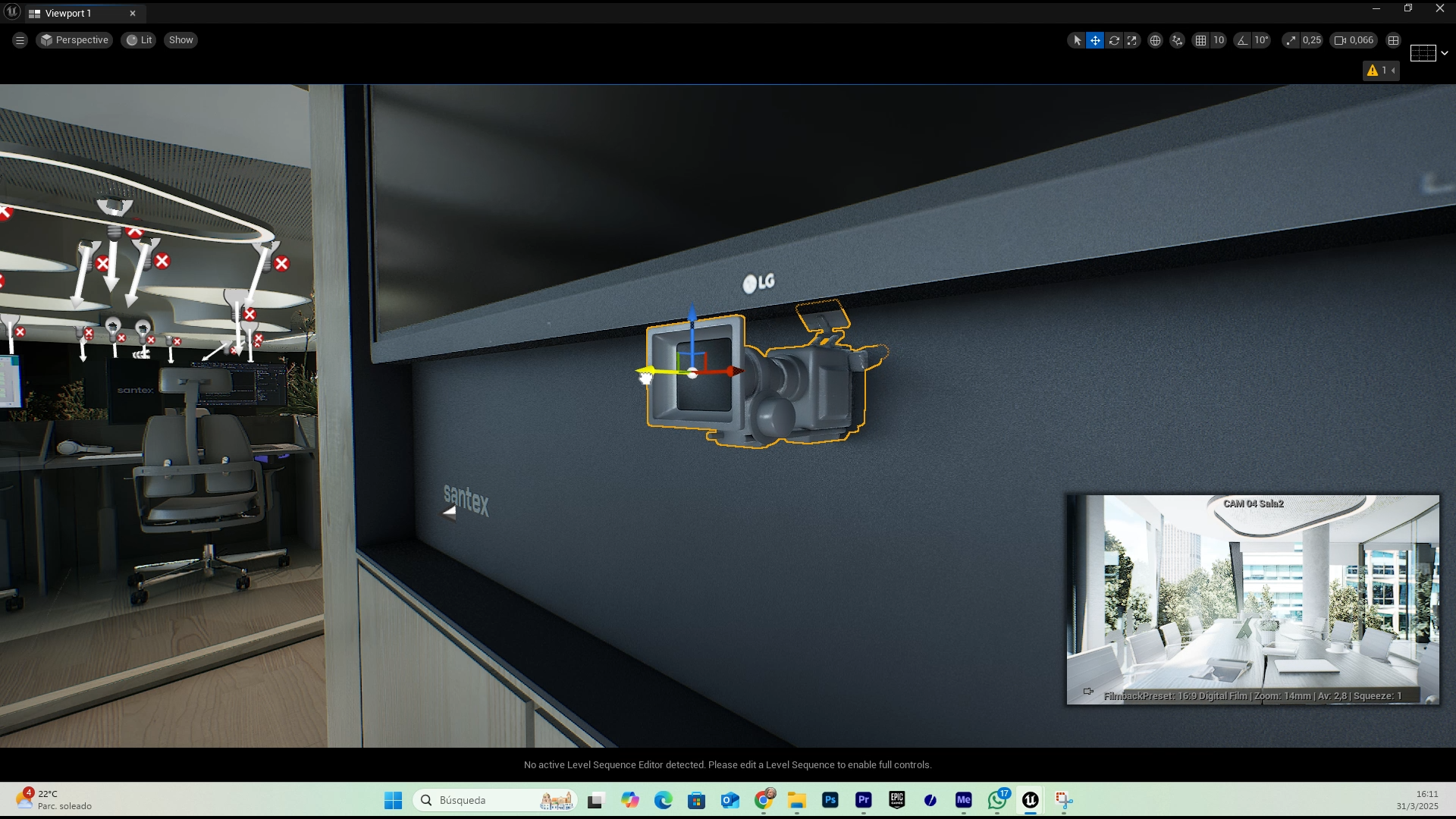
Diseñar también significa hacer visible lo invisible.
Antes de ser construido, cada proyecto atraviesa una última etapa de claridad. Mediante modelos interactivos y gemelos digitales, clientes, especialistas, proveedores y constructores pueden recorrer exactamente aquello que todavía no existe.
Escalas. Materiales. Iluminación. Relaciones espaciales. Atmósferas. Operación técnica. Todo puede comprenderse antes de construir.
Eso reduce incertidumbre. Pero sobre todo mejora algo mucho más importante: la comprensión compartida del proyecto. Sin sorpresas. Máxima eficiencia.
Creemos profundamente en reducir la distancia entre imaginar y entender. Porque gran parte de los errores en diseño aparecen justamente ahí: en aquello que nunca logró comunicarse correctamente.
La arquitectura fue siempre nuestra herramienta principal. La forma en la que pensamos. La forma en la que observamos. La forma en la que organizamos complejidad. Pero el verdadero objetivo nunca fueron solamente los edificios. Siempre fue algo mucho más difícil de definir: intentar mejorar, aunque sea un poco, la manera en que las personas experimentan el mundo.
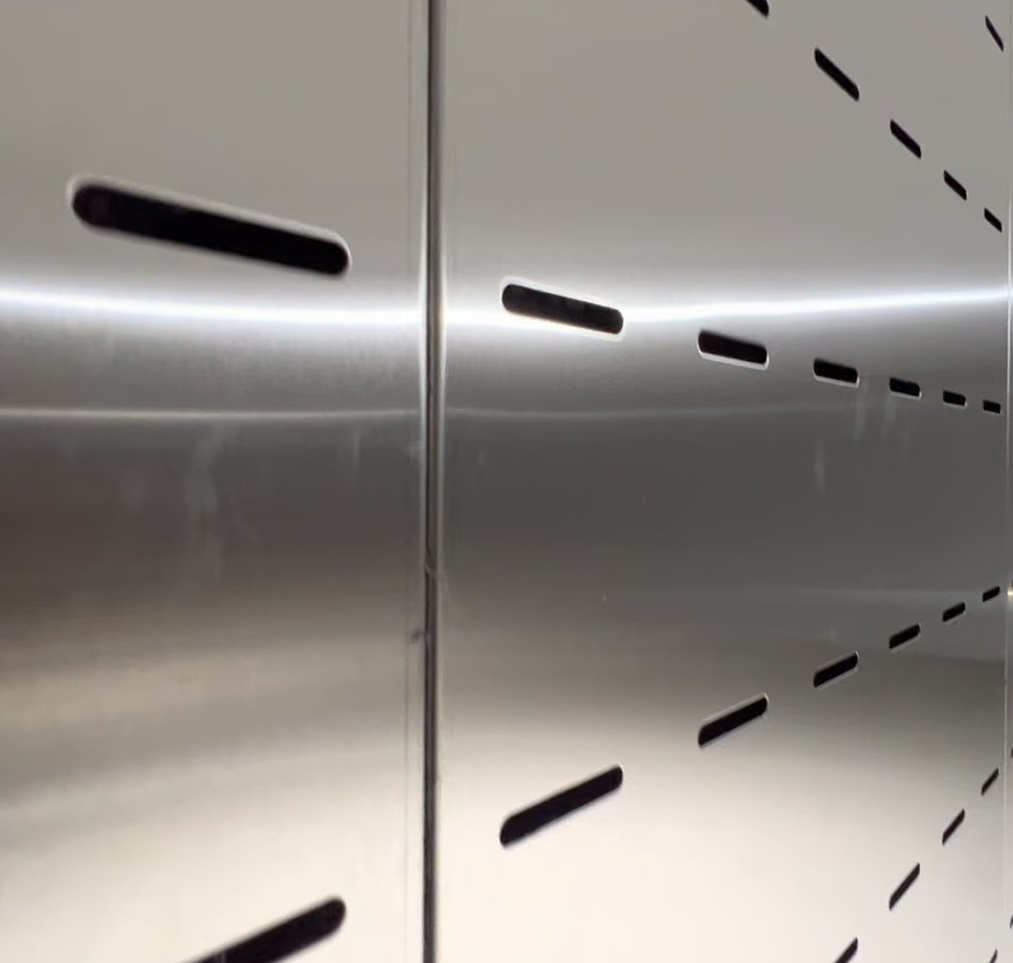
Intentar mejorar, aunque sea un poco,
la manera en que las personas
experimentan el mundo.