Skip to content
LY Arquitectos

Where will you be when the wolf comes?

The 21st century didn't take away your freedom. It turned it into a service.

Comfort was never free. It was only financed by future dependency.

Start reading

For decades we called delegating everything progress: water, energy, food, security, memory, housing. Each surrender seemed reasonable. Each comfort seemed like a victory.

Until our entire lives began to depend on systems managed by others. Subscriptionism is the conversion of life’s basic conditions into continuous, paid access, managed and revocable by third parties. It’s not an economic abstraction: it’s the everyday architecture of the 21st century.

The contemporary house doesn’t store water: it waits for it. It doesn’t produce energy: it consumes it. It doesn’t protect: it authenticates itself against systems that can be canceled. Housing has ceased to be a refuge and has become a passive terminal of a network.

II

Operational sovereignty is the real capacity to inhabit, produce, and decide without being completely dependent on external systems. It’s not isolation. It’s a margin of choice. The question isn’t whether you want to live disconnected. It’s how much of your life you’re willing to surrender to systems you don’t control.

Autonoma proposes reopening that question on an architectural scale. The house. The citadel. The city. And before any of them: the world to come, where that question ceases to be theoretical.
¿Primera vez acá? Empezá por la definición: qué es la arquitectura autónoma, en qué se diferencia de la arquitectura autosuficiente, y cuánta autonomía es realmente alcanzable.

Qué es la arquitectura autónoma

Dependence is always presented as comfort.

Is contemporary architecture prepared to sustain life?

For centuries, architecture was much more than the production of buildings. It was a form of protection, memory, sustenance, and freedom. A way to organize human existence in the face of the elements, scarcity, climate, time, and conflict.

Today we inhabit a technically extraordinary world, but one that is increasingly dependent. Water, energy, food, information, mobility, security, and much of our decision-making capacity have been transferred to external systems that we use every day, but that we rarely understand, control, or can replace.

In the name of comfort, we delegate capacity. In the name of efficiency, we accept fragility. In the name of progress, we have learned to consume more than we produce and to obey more than we think.

Autonomous is a collection of manifesto-essays written by the architect Guillermo Yias that explores the architectural, urban, and human consequences of this transformation.

Through four manifestos—The World to Come, The House, The Citadel, and The City—the collection investigates the relationship between architecture, urbanism, technology, territory, dependence, and freedom. It doesn’t propose escaping the world or returning to the past. It proposes reclaiming capacity: to produce, store, repair, understand, and decide. Autónoma asks what part of life we ​​are willing to continue surrendering and what part we must begin to reclaim.

Because the problem is no longer just how we will build the future.

The problem is whether we will still be capable of sustaining it.

The World to Come 01

The World to Come

From subscriptionism to autonomy

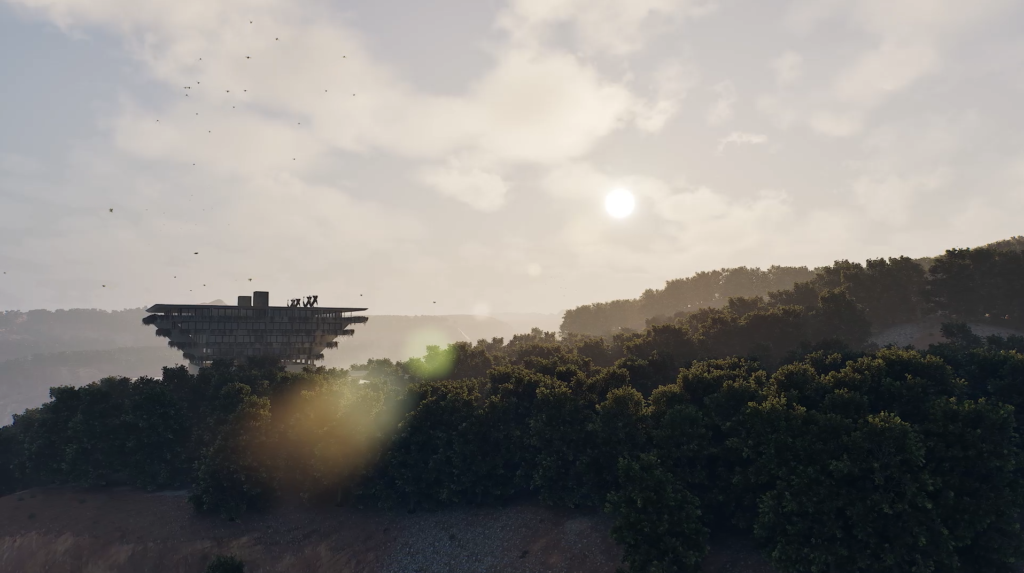
Toda arquitectura parte de un supuesto que rara vez se enuncia: que el sistema del que depende va a seguir funcionando. Este manifiesto examina ese supuesto y muestra por qué dejó de ser razonable sostenerlo. Recorre las cuatro dependencias sobre las que se apoya la vida contemporánea —el agua, la energía, el alimento, el dinero— y expone la lógica que las volvió simultáneamente eficientes y frágiles. En el camino nombra el mecanismo que organiza la colección entera: el suscripcionismo, la conversión de las condiciones básicas de la vida en accesos tarifados y revocables por terceros. Es el texto que establece la pregunta de la que dependen los otros tres, y la formula sin rodeos: para qué mundo estamos diseñando. No para el que queremos. Para el que viene.

59 min read

Read the manifesto →
The House 02

The House

Where will you be when the wolf comes?

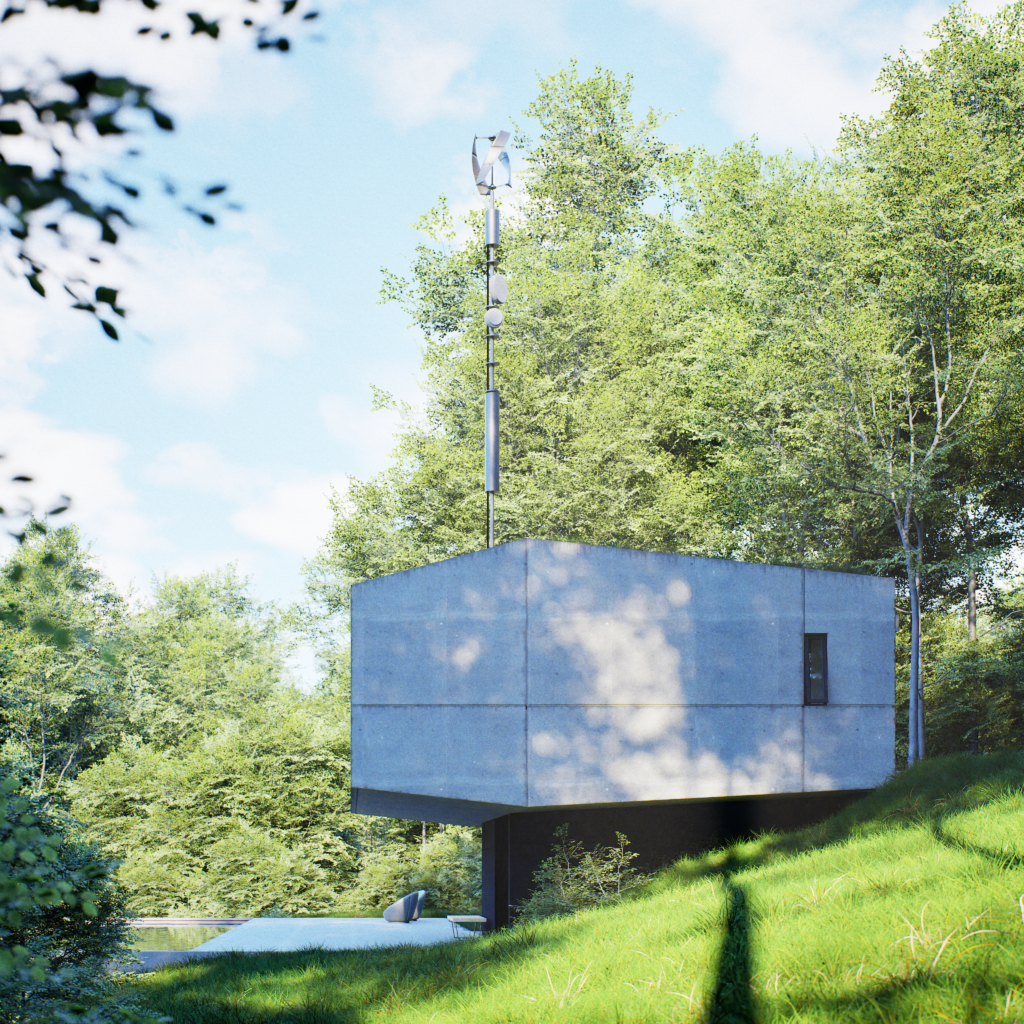
La vivienda contemporánea resolvió el confort con una precisión sin precedentes y perdió, en el mismo movimiento, la capacidad de sostenerse sola un solo día. Este manifiesto trabaja sobre la escala más íntima de la colección y la más inmediata: aquella donde la autonomía deja de ser una posición intelectual y se vuelve una decisión de proyecto. Desarrolla seis principios —del territorio al tiempo largo— que definen qué debería saber hacer una casa cuando el afuera falla, y qué se pierde exactamente cuando no lo sabe. No propone renunciar a la tecnología ni volver a un pasado rural: propone usar todo lo disponible hoy para recuperar algo que la casa supo tener y entregó sin discusión. Es el texto donde la tesis de Autónoma se vuelve verificable.

60 min read

Read the manifesto →
The Citadel 03

The Citadel

We humans love to hate

Hay un punto donde la casa autónoma encuentra su límite, y no es tecnológico: es aritmético. Este manifiesto empieza ahí, en el momento en que la autosuficiencia individual deja de alcanzar y aparece la pregunta por los otros. Examina qué puede una comunidad que una vivienda sola no puede —reserva de largo plazo, oficios distribuidos, conocimiento que no depende de una sola persona— y en qué escala exacta eso es posible antes de que el grupo se vuelva una institución. Apoyado en la investigación sobre gobierno de bienes comunes y en precedentes históricos que funcionaron durante siglos, es el texto más incómodo de la colección: el que sostiene que la soberanía no se construye solo, y el que admite con claridad lo que ninguna arquitectura puede resolver por sí misma.

54 min read

Read the manifesto →
The City 04

The City

The city amplifies everything.

La ciudad amplifica todo: la eficiencia y la fragilidad, la inteligencia colectiva y la dependencia total. Este manifiesto lleva la tesis de Autónoma a la escala donde vive la mayoría de la humanidad y donde cada decisión afecta a millones — y es el único de los cuatro que renuncia explícitamente a prometer una solución. Analiza por qué el crecimiento urbano no se revierte, por qué el habitante contemporáneo perdió toda comprensión de los sistemas que lo sostienen, y qué queda por hacer cuando demoler y empezar de nuevo no es una opción. Propone seis marcos de decisión y una célula de escala intermedia donde la autonomía urbana todavía es posible. Su honestidad sobre los propios límites no es una concesión: es la propuesta.

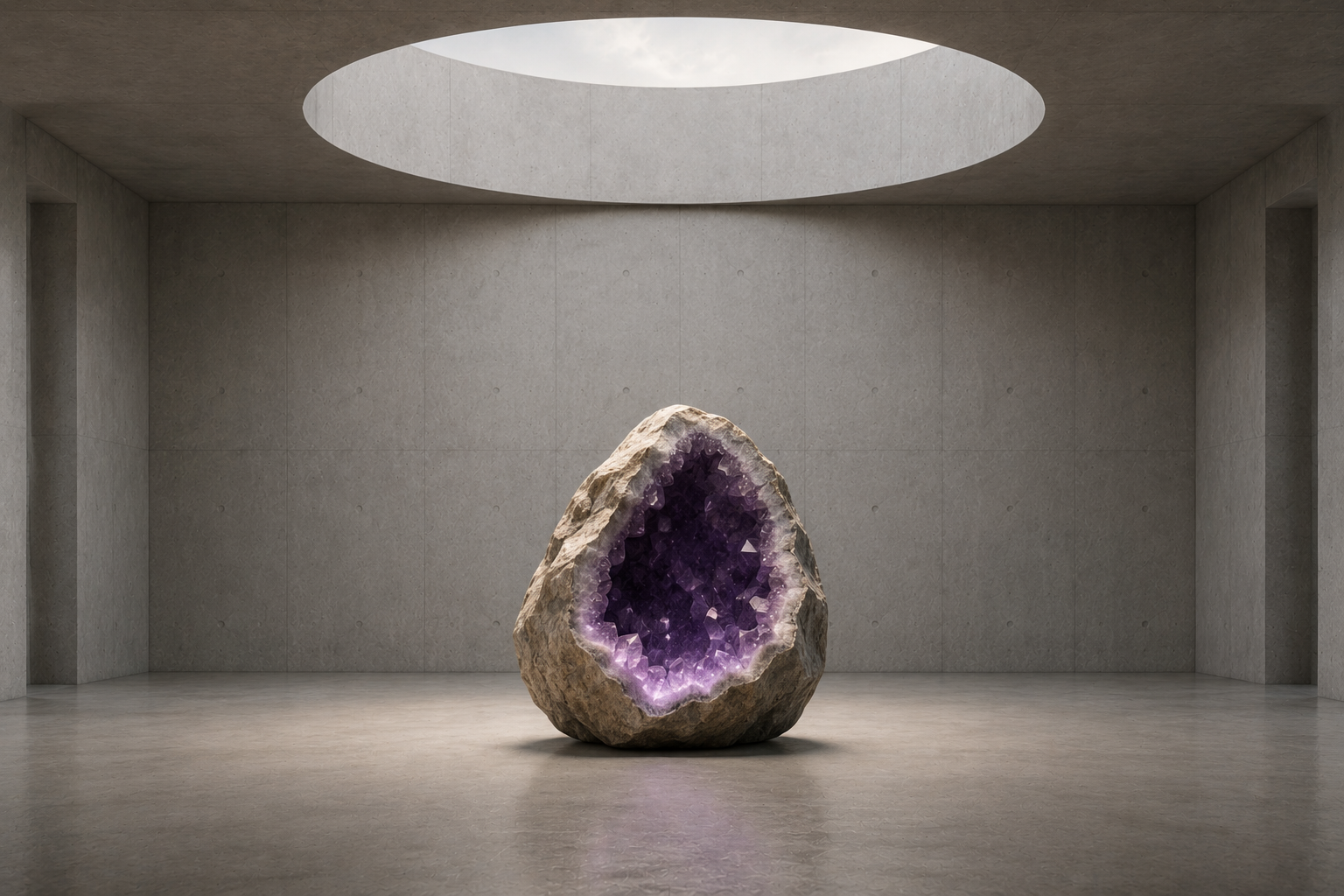
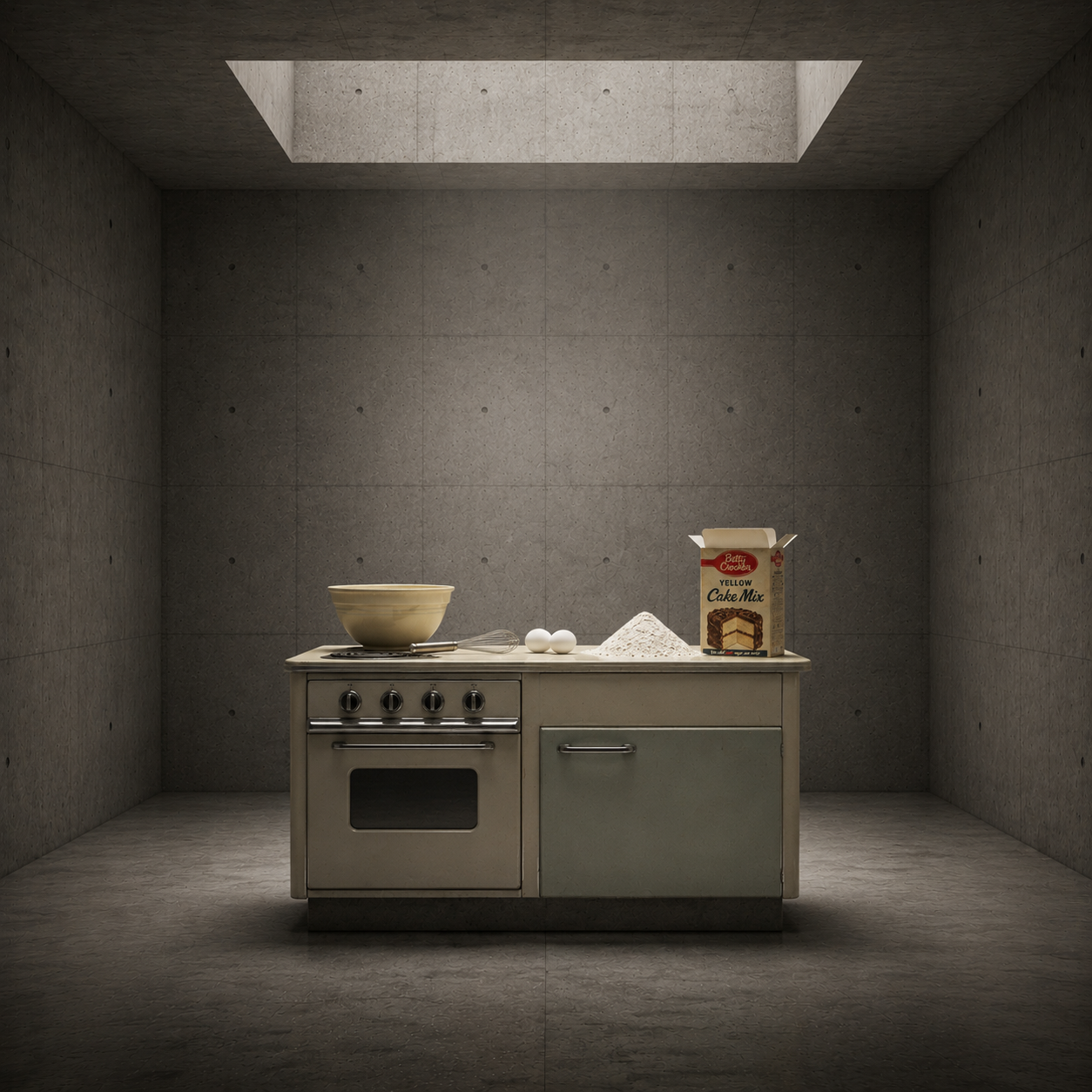
Cada uno dice de qué trata, qué hace el texto y por qué importa — sin quemar una sola escena. El lector llega a la radio, al lobo, a la amatista y al huevo sin saber que estaban ahí.

59 min read

Read the manifesto →

Reference projects

Arquitectura autónoma en proyectos

Proyectos experimentales y conceptuales donde las ideas de Autónoma toman forma: ejercicios de arquitectura autónoma que ensayan la autosuficiencia, la soberanía operativa y nuevas formas de habitar antes de su construcción.

Open tool

Operational Sovereignty Index

A manifesto can also be a tool. Pick any point on the planet and the app crosses its real climate —solar radiation, rainfall, temperature, and wind measured by satellite— with your program, to estimate what degree of energy, water, and food autonomy is achievable there.

It promises no certainties: each number states its source. It's the idea of Autónoma turned into an instrument, open to anyone who wants to think about how to live with less dependence.

Open the tool
Energy · Water · Food · Risks Data: NASA POWER · USGS

Get involved

Autónoma seeks real interlocutors.

Not spectators. Architects, developers, researchers, media, artists, and people willing to think about what part of life we stop surrendering.

Join the conversation →

Receive the texts

Only ideas worth your time.

Only texts, concepts, developments, and fragments on architecture, autonomy, operational sovereignty, and less dependent ways of life. Autónoma is published through the channels of Leguía Yias Arquitectos because we don’t separate thought from practice.

Dark mode
Simplified